

Treatment
Cancer Treatment
(Stereotactic radiotherapy/Hyperthermia)
Stereotactic radiotherapy
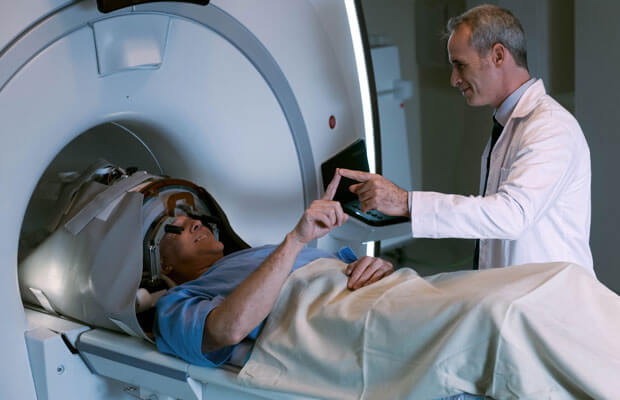
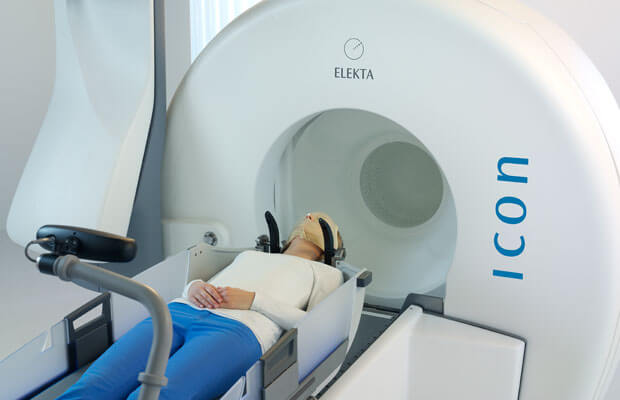
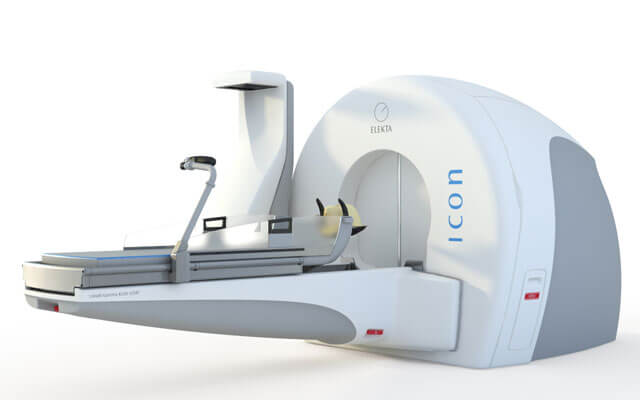
Gamma Knife is a radiotherapy device for head that treats intracranial lesions.
Gamma Knife was named after using gamma rays like invisible scalpel (knife).
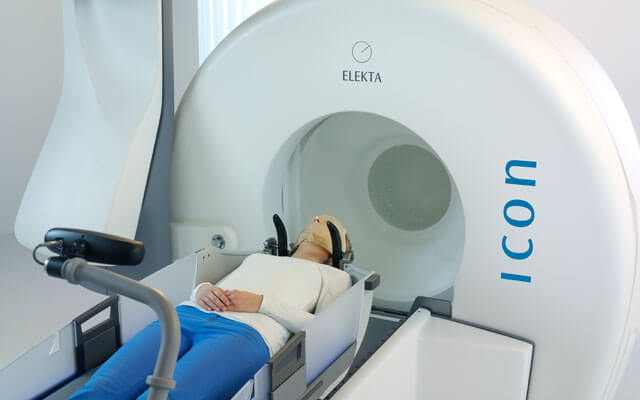
It focuses intense gamma rays on intracranial lesions without a surgical incision and it is possible to lower radiation exposure to surrounding healthy tissues.
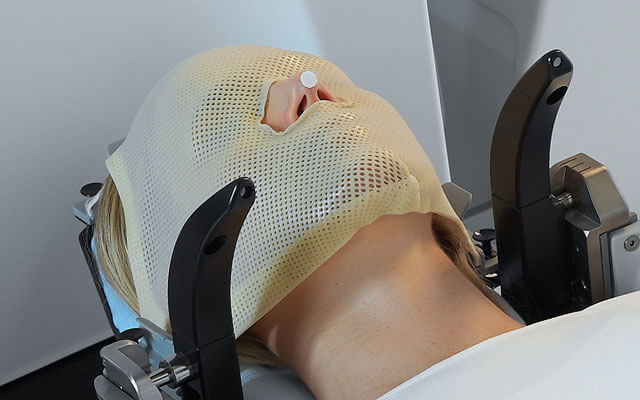
At our partner medical institutions, in addition to conventional frame‑based fixation, treatment can now be performed using a mask that covers the face, reducing the physical burden on patients (*).
Fractionated radiotherapy has also become available.
*Suitability of mask-based treatment is determined by a doctor. Conventional pin-based treatment may be applicable.
Cancer heat therapy
Hyperthermia
What is hyperthermia (cancer heat therapy)?
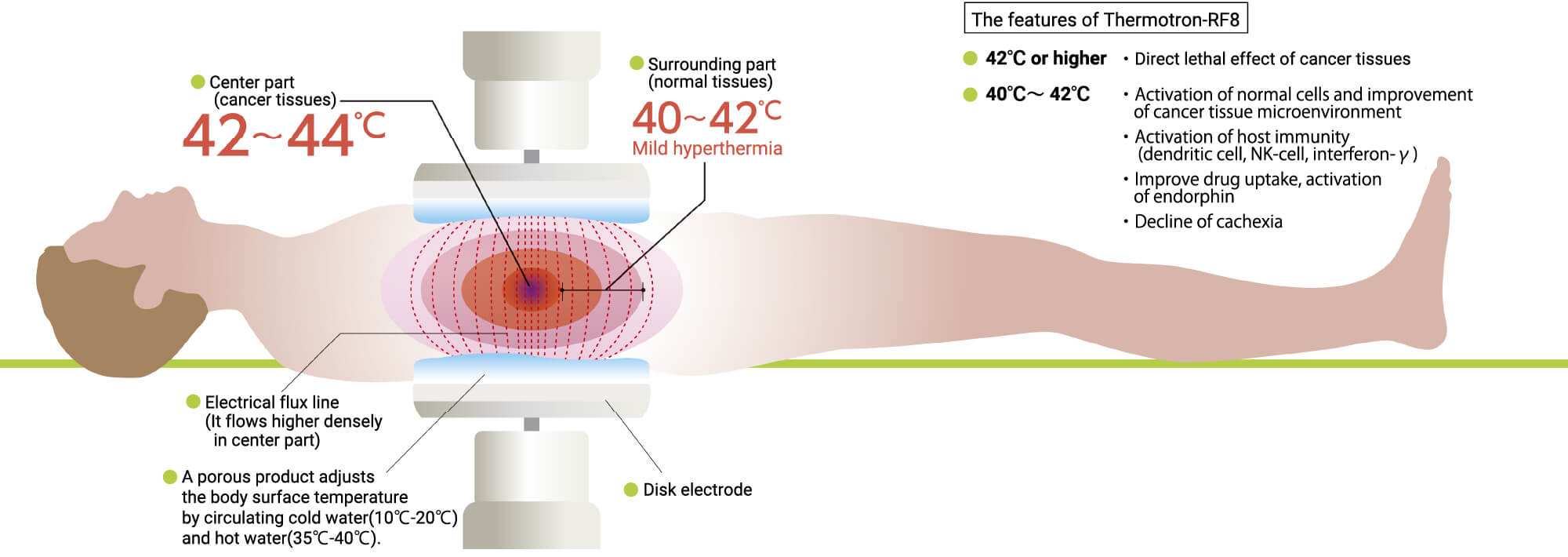
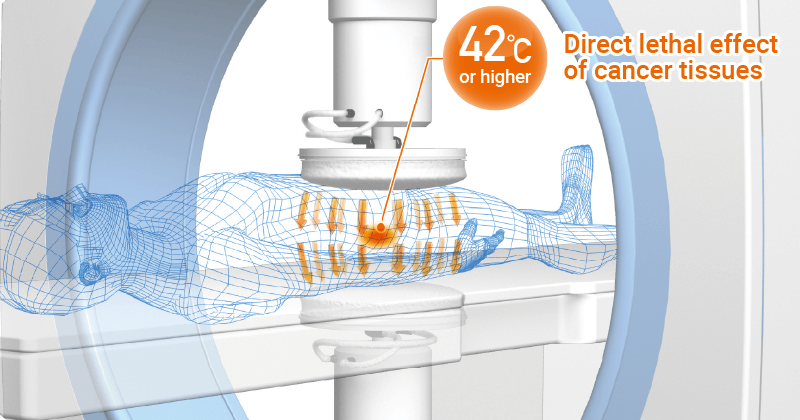
Cancer tissues have been proved to be weaker to heat than normal tissues and die at temperatures around 41.5℃ to 44℃.
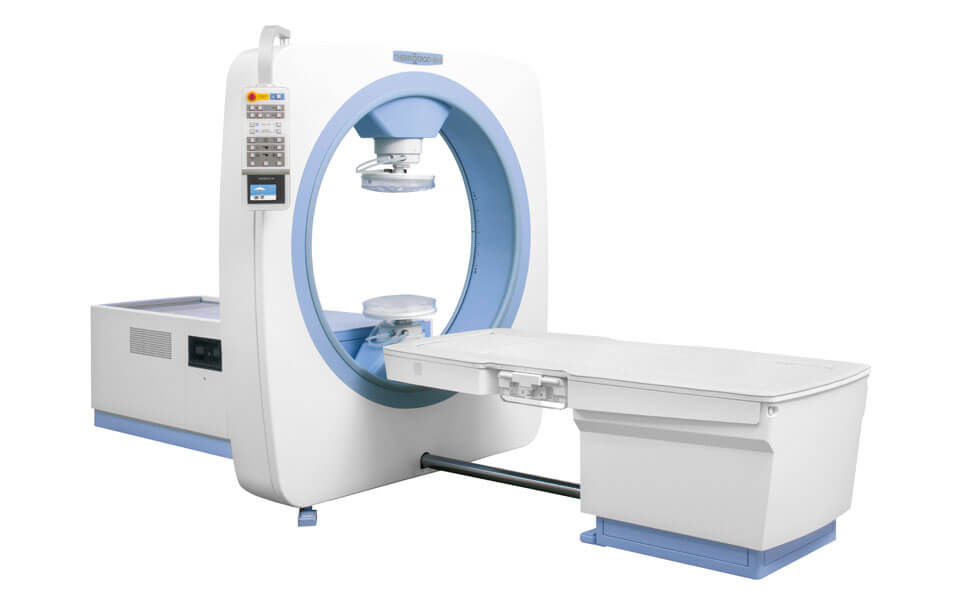
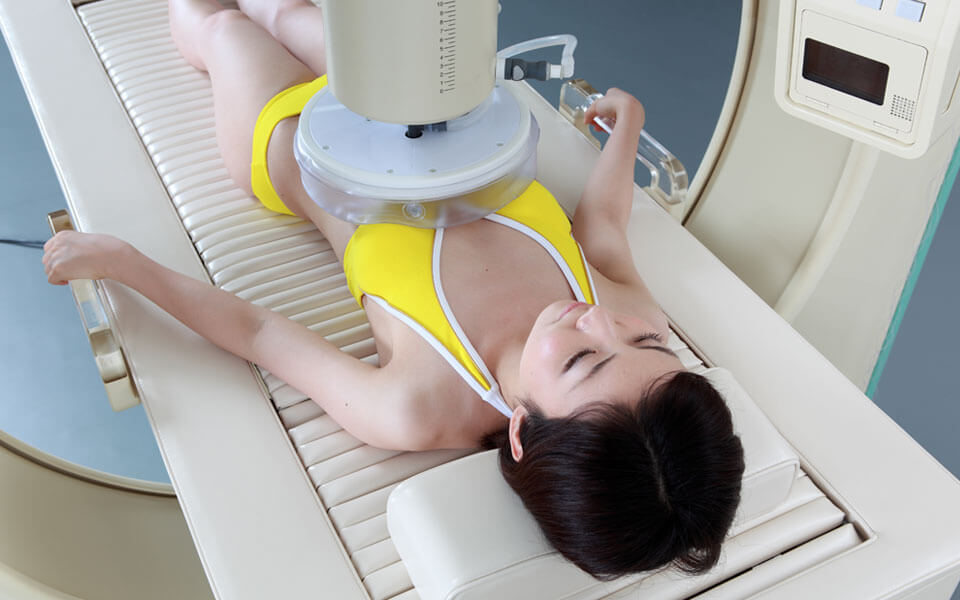
Hyperthermia (cancer heat therapy) is a treatment that uses radio waves to selectively heat and destroy only cancer cells with minimal burden on the body.
Its therapeutic effects are enhanced when combined with conventional therapies such as radiotherapy, chemotherapy, and immunotherapy. In addition, it alleviates pain and can be expected to improve patients’ quality of life (QOL).
Why to heat
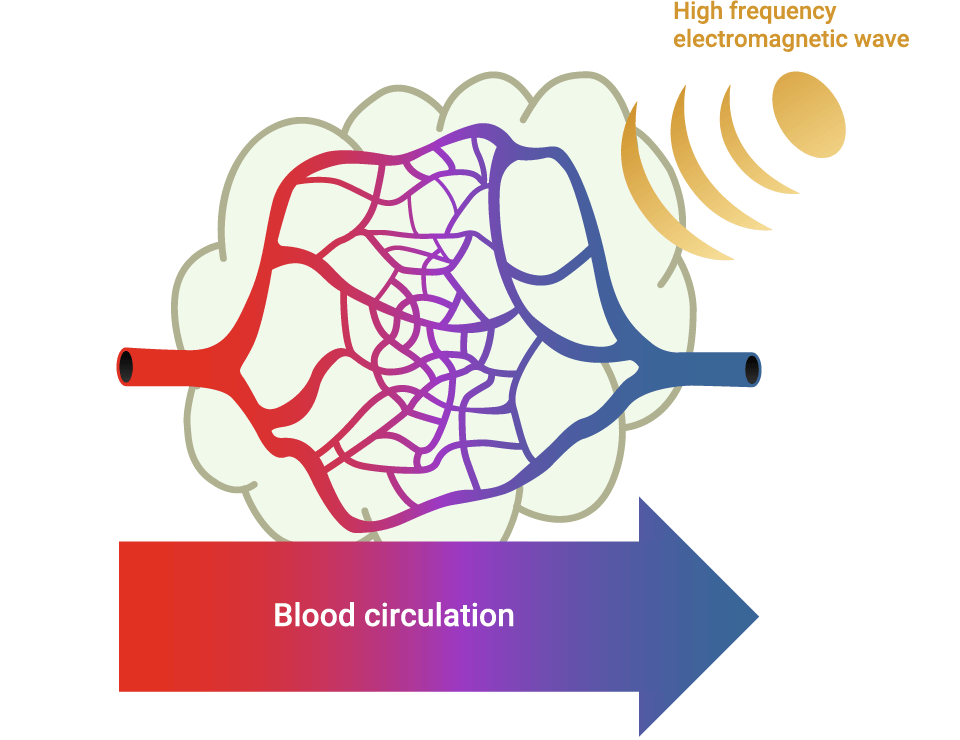
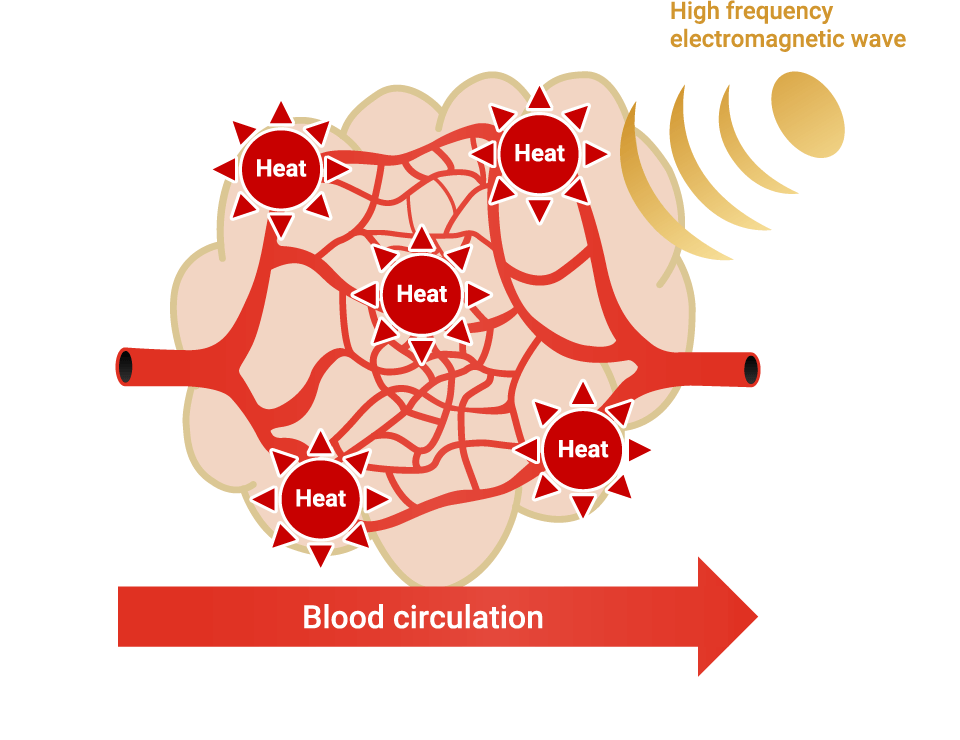
There are differences of blood vessel functions (dilatation/contraction) between normal tissues and cancer tissues.
When a body is heated, normal tissues dilate blood vessels and increase blood flow to lower the temperature. On the other hand, cancer tissues cannot increase blood flow due to lack of function to dilate/contract blood vessels, then temperature rises, and cancer cells are damaged.
Cancers that can be treated ※Effects of treatment vary in individuals.
According to Japanese Society of Thermal Medicine, there are some diseases which have been shown the effectiveness in randomized trials, such as recurrent breast cancer, malignant melanoma, cervical cancer, rectal cancer, bladder cancer, cervical lymph node metastases, etc.
Hyperbaric Oxygen Therapy (HBO)
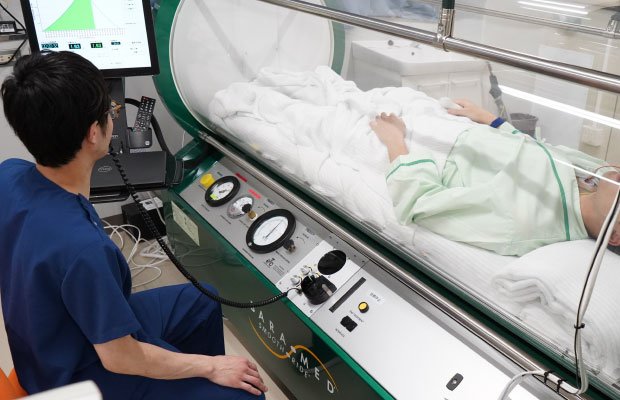
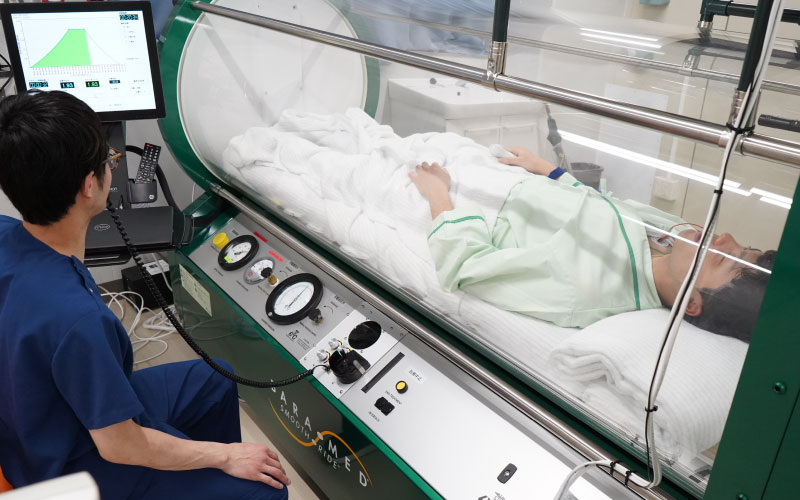
Hyperbaric oxygen therapy involves increasing the pressure inside the treatment chamber to 2.0 atmospheres or higher and having the patient inhale 100% oxygen for more than 60 minutes, thereby increasing the amount of dissolved oxygen in the blood.
When HBO is combined with cancer treatments such as hyperthermia, radiation therapy, or chemotherapy, it can enhance the therapeutic effect.
Tumor tissue is typically in a hypoxic state, and substances called hypoxia‑inducible factors (HIFs) accumulate within cancer cells. These HIFs promote the production of proteins that cause treatment resistance, reducing the effectiveness of cancer therapy.
HBO acts systemically to improve the hypoxic environment within tumors, thereby reducing HIFs and treatment‑resistance proteins. As a result, it can enhance the overall effectiveness of cancer treatment.
Changes in transcutaneous oxygen pressure (tcpO2) measured on the skin (Treatment conditions: 2.5 atmospheres, 60 minutes)
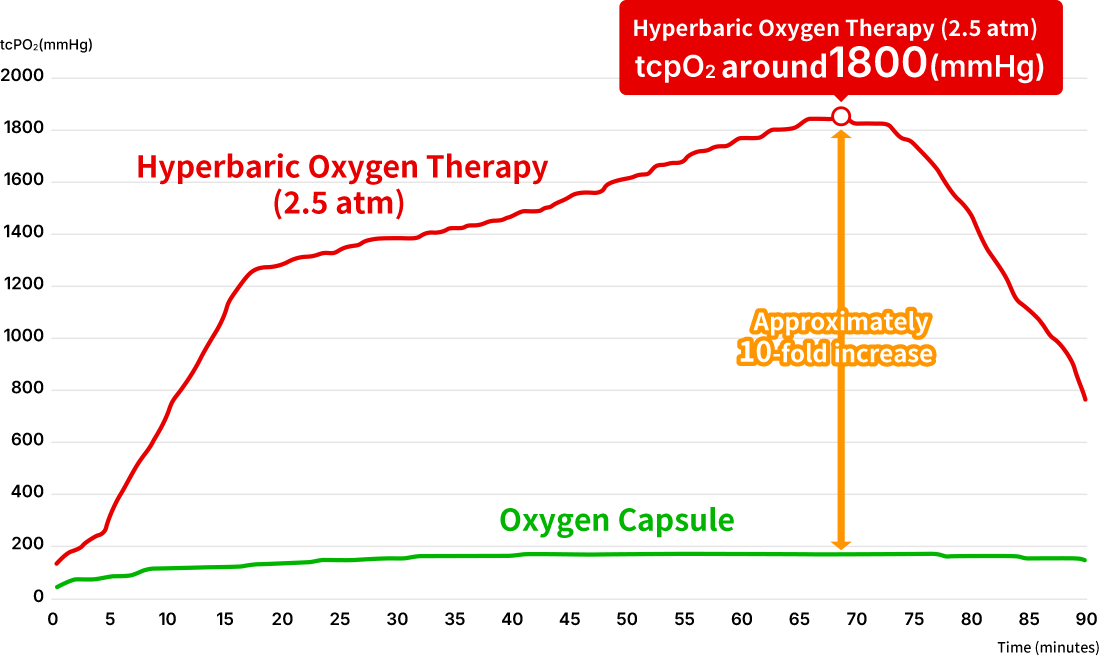
*The oxygen capsule data represent typical measurements obtained under low‑pressure conditions (for reference).
*Values may vary depending on measurement conditions and individual differences.
*This graph does not indicate treatment efficacy or clinical effectiveness.
Comprehensive cancer treatment
Our partner medical institutions provide multidisciplinary cancer care that combines stereotactic radiotherapy, hyperthermia therapy, and hyperbaric oxygen therapy. Treatment plans are developed collaboratively with highly specialized university hospitals, making it possible for two institutions to work together in delivering comprehensive care.